
Top 10 Selection Criteria
There are many critical variables to coordinate when planning a training event. Consider these 10 criteria for selecting your next location for a training program.
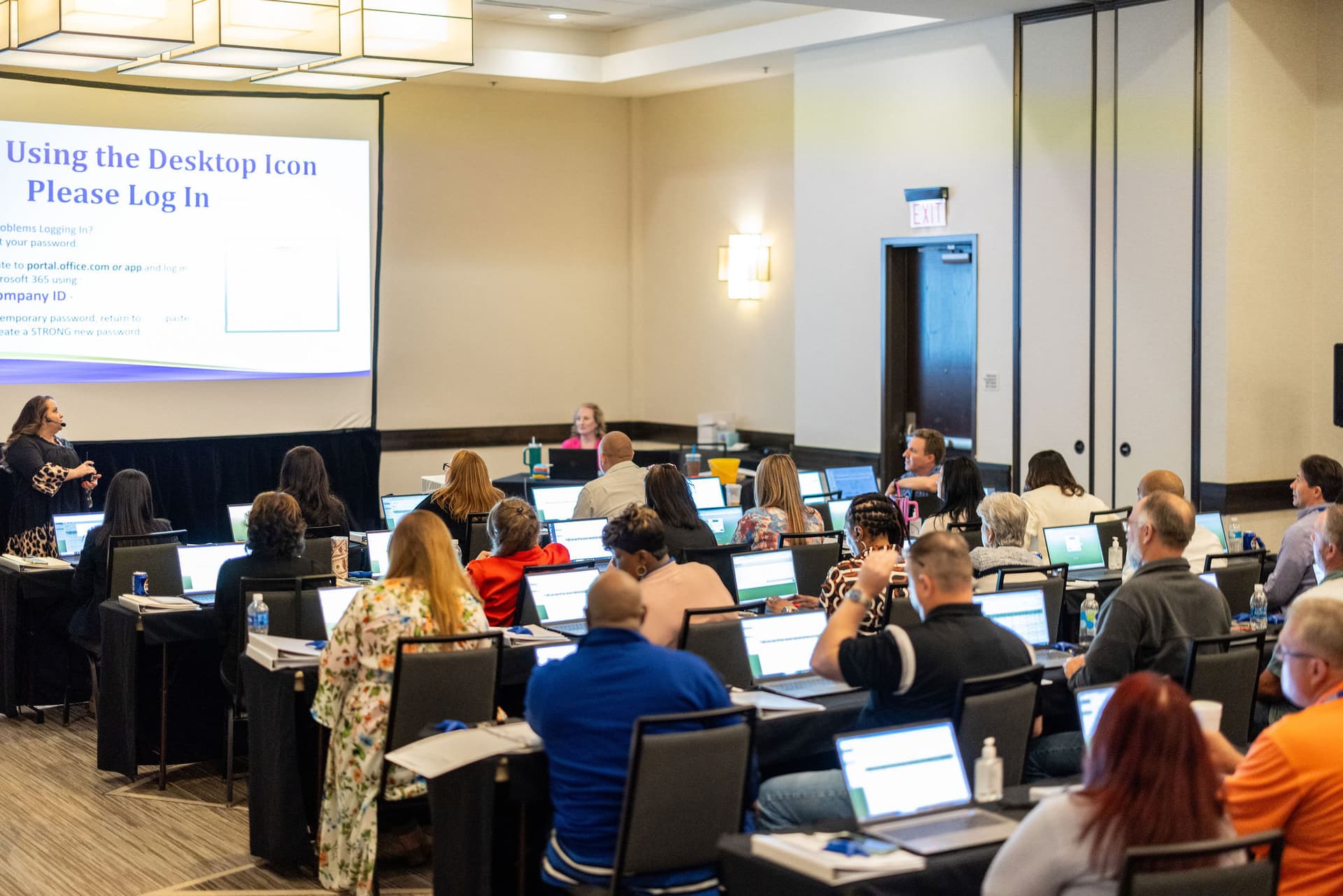
The right training site supports the learning objectives as well as the event logistics. Before choosing a room, write down the practical requirements that could affect the class: participant count, seating style, accessibility, location, schedule, equipment, connectivity, food, and on-site support.
Top Ten Things to Consider when Selecting a Training Site
Use these ten criteria to compare candidate sites against the needs of the specific course. Confirm details with the venue before booking, especially when participants, equipment, or schedules span multiple locations.
Ten criteria for selecting a training site
- Consistent participant experience: For a multi-site program, define baseline expectations for room setup, equipment, arrival information, and support, then check each location against them.
- Adequate meeting space: Confirm the classroom capacity and whether the agenda also needs breakout rooms, registration space, or areas for activities before or after instruction.
- Reachable host city: Consider where participants are traveling from, likely arrival times, and access by air, public transportation, or road. Compare the travel burden for the actual attendee group.
- A setting that supports learning: Check whether participants can see and hear the instructor, concentrate, take breaks, and return to the session without disrupting it.
- Audio-visual and technology readiness: Specify projection, sound, computers, software, internet, VPN, and bandwidth needs. Arrange testing and identify the on-site technical contact before the event.
- Space for public-facing activities: If the program includes registration, networking, or a reception, confirm the extra areas, access times, and any restrictions that apply.
- Accessibility and local access: Ask about accessible routes and facilities, signage, parking, and public transit so local and traveling attendees can reach and use the venue.
- Nearby food and participant amenities: Consider where meals and breaks will happen, available catering options, dietary needs, and nearby services relevant to the schedule.
- A way to inspect the venue: When practical, arrange a site visit. If that is not possible, request current room details and images, and verify important features directly with the venue.
- Lodging for overnight attendees: If participants need accommodation, check nearby hotel availability, room-block terms, travel time, and the total cost before finalizing the location.
Turn the criteria into a decision
Separate must-haves from preferences, then use the same checklist for every candidate. Record what is confirmed, what remains unknown, and who will resolve each open question. For a series of classes, keep the baseline consistent but make room for local differences such as transit, parking, venue rules, and equipment. The final choice should meet learning and access requirements as well as the budget and schedule.
Explore Our Services
Find related services and planning resources for your event.
Ready to Get Started?
Get a quote for training rooms, laptop classrooms, or meeting spaces